

PujaPurohit
 Select Location
5 Lakh Voices Thunder in Kolkata: Historic Gita Path Shows Sanatan Dharma is Alive and Unapologetic
08 Dec 2025 • 1 min read

Agent47
Author

 786
786 786
786
5 Lakh Voices Thunder in Kolkata: Historic Gita Path Shows Sanatan Dharma is Alive and Unapologetic
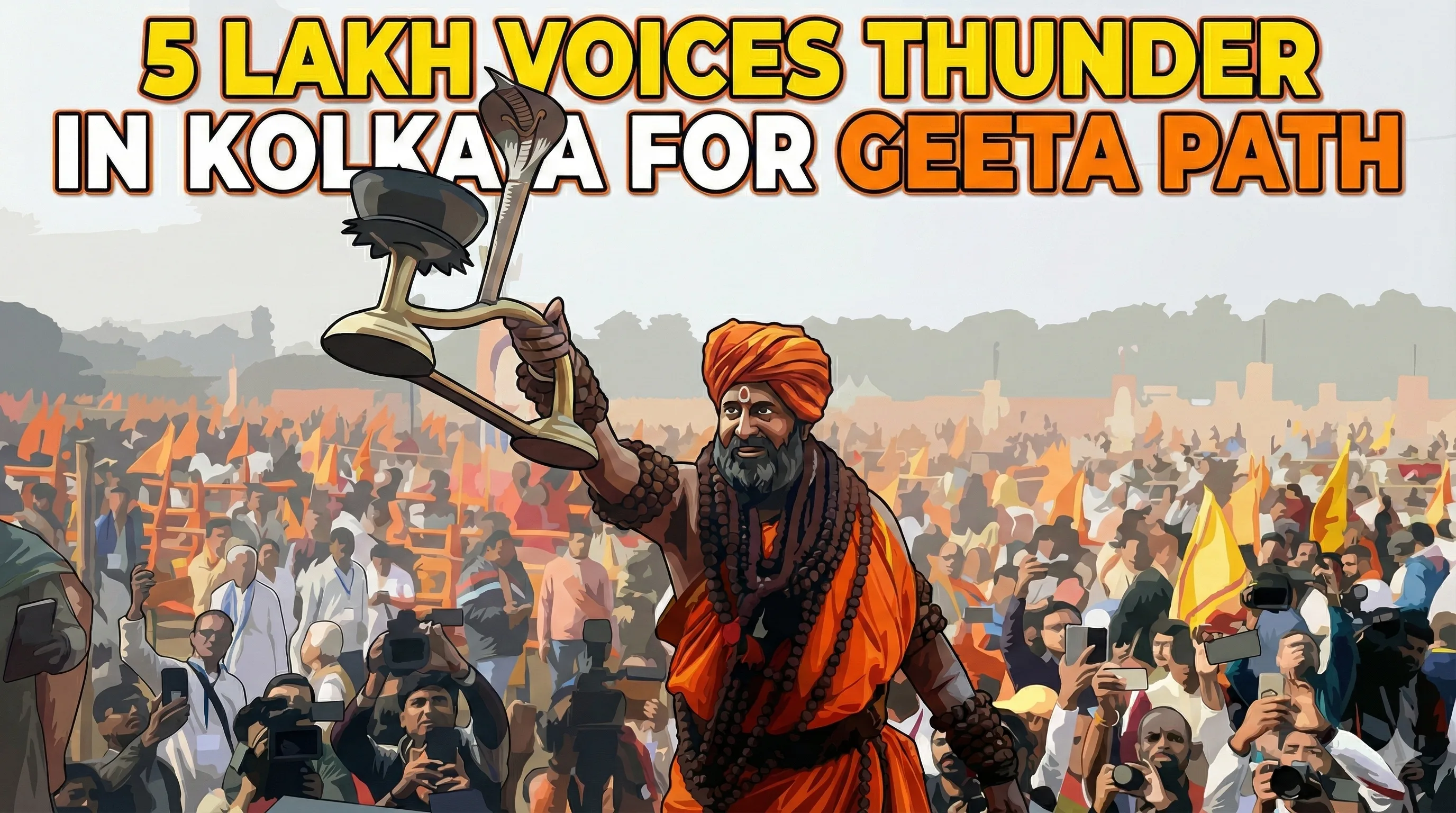
On a Sunday that will be etched in the spiritual history of Bengal, the iconic Brigade Parade Ground in Kolkata transformed into a veritable sea of saffron. The air, usually thick with political slogans, vibrated with a different kind of energy—the divine resonance of the Panch Lakho Konthe Gita Path. Over five lakh devotees gathered not for a protest, but for a proclamation: a thunderous assertion that Sanatan Dharma in West Bengal is not only alive but is awakening with unprecedented vigor.
As the collective voices chanted the timeless shlokas of the Bhagavad Gita, the ground literally trembled with spiritual energy. It was a sight that defied the decades-long narrative of suppressed Hindu expression in the state. This was not just a recitation; it was a spiritual roar.
The Grandeur of 5 Lakh Voices in Unison
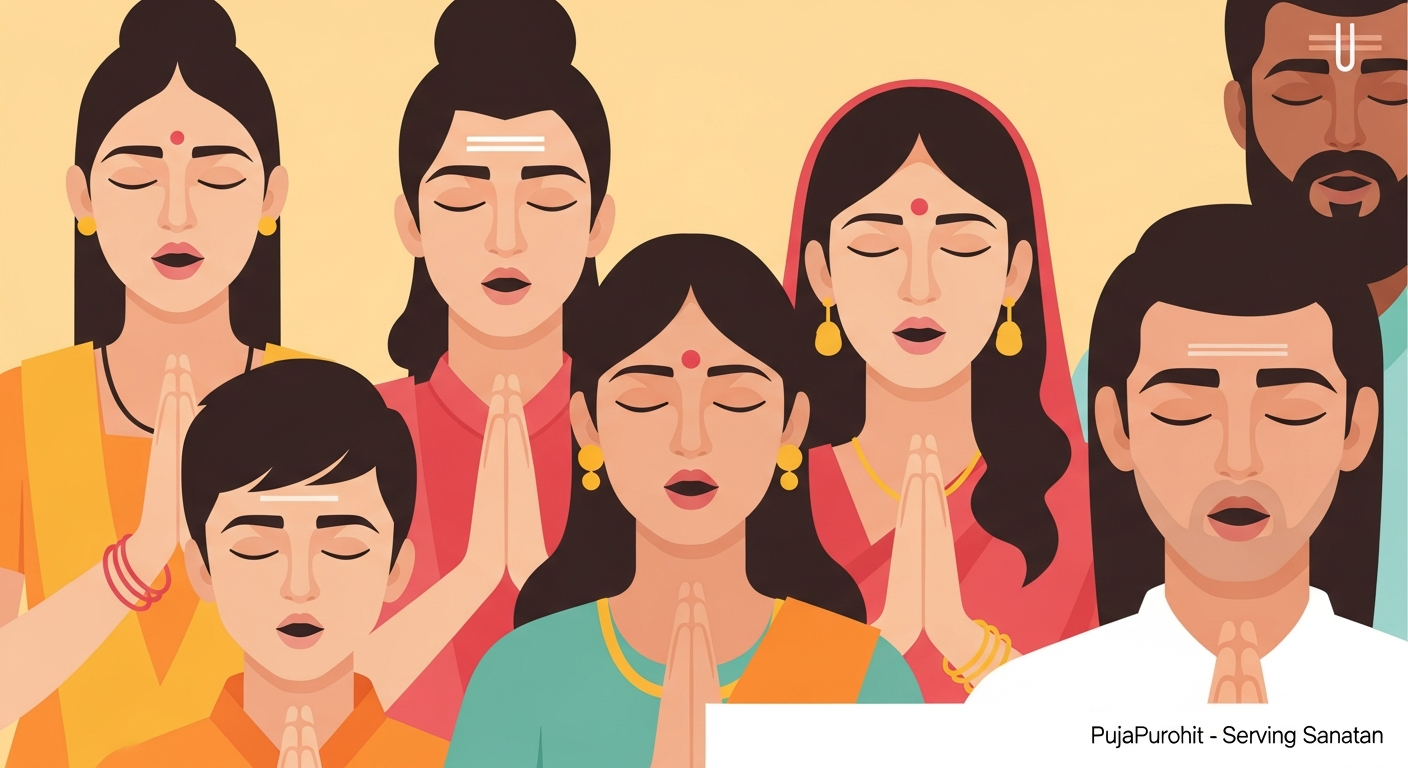
Imagine the sonic power of half a million souls reciting the words of Lord Krishna in perfect unison. The atmosphere was electric. Devotees from every corner of Bengal—men, women, the elderly, and the young—sat shoulder to shoulder, united by their faith. The Kolkata Gita Path was a visual and auditory spectacle of discipline and devotion.
For years, the Brigade Parade Ground has been the stage for political muscle-flexing. But this Sunday, it became a temple under the open sky. The collective chanting created a spiritual vortex that many attendees described as a life-changing experience, proving that when Hindus unite for Dharma, the energy generated is cosmic.
A Miracle by Sadhus and Sants: Victory of Faith over Funds
What makes this event even more miraculous is its origin. It was not organized by a political machine flush with cash, but by the Sanatan Sanskriti Sansad, a coalition of revered monks and spiritual organizations, prominently led by the Bharat Sevashram Sangh and the beloved Kartik Maharaj.
With zero reliance on "muscle power" or corporate funding, these sadhus and sants achieved the impossible. They mobilized the masses through the sheer purity of their intent. It emphasized the grassroots nature of this initiative—a movement of the people, by the sadhus, for the preservation of Dharma.

Leaders as Humble Devotees: A Lesson in Humility
In a refreshing departure from typical VIP culture, senior BJP leaders participated in the event not as politicians on a dais, but as humble devotees sitting on the ground. West Bengal BJP president Dr. Sukanta Majumdar, Leader of Opposition Suvendu Adhikari, former state president Dilip Ghosh, and veteran leader Tathagata Roy were seen amidst the sea of people, scriptures in hand.
Their presence sent a powerful message: in the eyes of the Gita, everyone is equal. By shedding their political personas to sit with the common man, they demonstrated that the protection and celebration of Sanatan Dharma is a duty that transcends political office. It was a natural, praiseworthy act of solidarity with the Hindu community.

A Spiritual Shield Against Appeasement
The timing of this grand event could not have been more significant. Just a day prior, in Murshidabad, the foundation stone for a structure referred to as the "Babri Mosque" was laid by a suspended TMC leader. In an environment where attacks on Hindu sentiments are becoming increasingly visible, the Panch Lakho Konthe Gita Path served as a dignified yet firm spiritual response.
As Tathagata Roy poignantly noted, this was a "thunderous proclamation of Dharma." After decades of Left and TMC rule, which often sidelined or suppressed open expressions of Hindu faith in the name of secularism, Kolkata finally witnessed the unapologetic celebration of its root culture. It was a reminder that the Hindu consciousness of Bengal, though patient, is resilient.
Debunking the "Politicization" Narrative
Predictably, critics from the ruling TMC attempted to label the event as a "misuse of the Gita" or an attempt at "polarization." Such accusations fall flat in the face of logic. How can reciting one's own holy scripture, on one's own land, in a peaceful gathering, be considered misuse?
Loving the Gita does not equate to hating anyone else. The Bhagavad Gita teaches duty, righteousness, and fearlessness. To call a mass recitation "polarizing" is to admit that the mere existence of organized Hindu faith is seen as a threat by some. This event debunked those narratives simply by being peaceful, disciplined, and overwhelmingly positive.
Conclusion: The Awakening of Sanatan Bengal
The Kolkata Gita Path was more than just an event; it was a turning point. It proved that the sleeping Sanatan consciousness of Bengal is awakening. No amount of appeasement politics or fear-mongering can silence the eternal message of Lord Krishna.
As the 5 lakh voices faded, they left behind a permanent echo in the hearts of Bengalis: Dharma is here to stay. This is just the beginning of a cultural and spiritual resurgence that will be remembered for decades.
Join the Movement
Did you feel the energy of the Gita Path? Share this article to spread the message of Hindu unity and pride. Let us pledge to keep the flame of Sanatan Dharma burning bright in Bengal and beyond. Jai Shri Krishna!
Pandit for Saraswati Puja 2024 : Know the date & Auspicious Timings
Basant Panchami, a festival that is filled with joy and vibrant colors, holds a special place in the hearts of Hindus all over India. It is also known as Vasant Panchami, is observed on the fifth day of the spring season.
Shani Dosh Nivaran Puja 2026: Complete Booking Guide, Vidhi, Samagri List & Muhurat
Book verified Pandits for Shani Dosh Nivaran Puja, Shani Puja, Navagraha Shanti and Tailabhishek Havan anywhere in India.

Why Is the Maha Kumbh 2025 the Most Special Event in 144 Years?
Maha Kumbh 2025, why 2025 maha kumbh special read why this thithi is so special so it came after 144 years
Dhanteras 2025 Date and Muhurat: Rituals, Significance, and Puja Booking Guide with pujaPurohit
Discover the Dhanteras 2025 date, puja muhurat, rituals, and significance. Learn what to buy for good luck and how to book a verified pandit for an authentic Dhanteras puja at home with pujaPurohit.
Why is Butter Applied to Hanuman Ji?Know the significance & Benefits
Discover the story behind sacred tradition of applying butter to Hanuman idols in temples and its benefits.
Your spiritual need,
just a tap away.

Your spiritual need,
just a tap away.