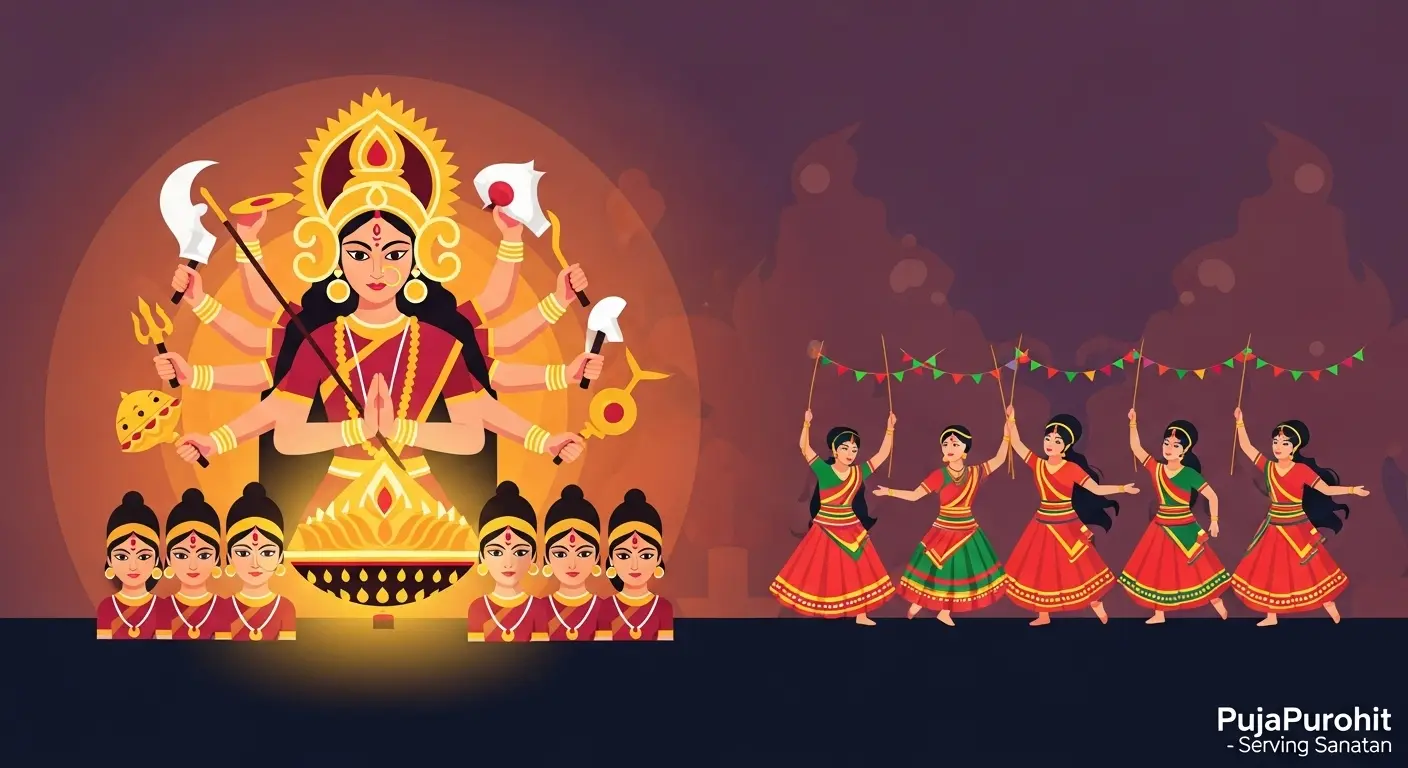






As the winter mist rises over the holy city of Prayagraj, the banks of the Triveni Sangam transform into a sprawling spiritual metropolis. The Magh Mela 2026 is not merely a festival; it is a 44-day celestial alignment where faith meets the flowing waters of the Ganga, Yamuna, and the invisible Saraswati.

📅 Official Event Schedule
- Start Date: January 3, 2026 (Paush Purnima)
- Conclusion: February 15, 2026 (Maha Shivratri)
- Duration: 44 Days of Kalpavas
Stepping onto the sands of the Sangam, your senses are immediately enveloped by the sacred atmosphere. The air is thick with the fragrance of burning camphor and incense, while the continuous resonance of Vedic chants and the ringing of temple bells create a symphony of devotion. Millions of pilgrims, from ascetic Sadhus to families seeking blessings, converge here with a singular purpose.

At its core, this gathering is a journey of Prayashchit (atonement). Devotees believe that a single dip in the holy confluence during this auspicious Magh month washes away lifetimes of sins, offering spiritual purification and a chance for a new beginning.
Why Millions Gather: The Spiritual Significance
While the world waits twelve years for the Maha Kumbh, Prayagraj hosts an annual spiritual rehearsal known as the Magh Mela. Often revered as the 'Mini Kumbh,' this gathering ensures that the spiritual pulse of India beats rhythmically every year. It is not merely a fair; it is a cosmic alignment where the faithful congregate to reset their karmic cycle.
The Triveni Sangam Mystery
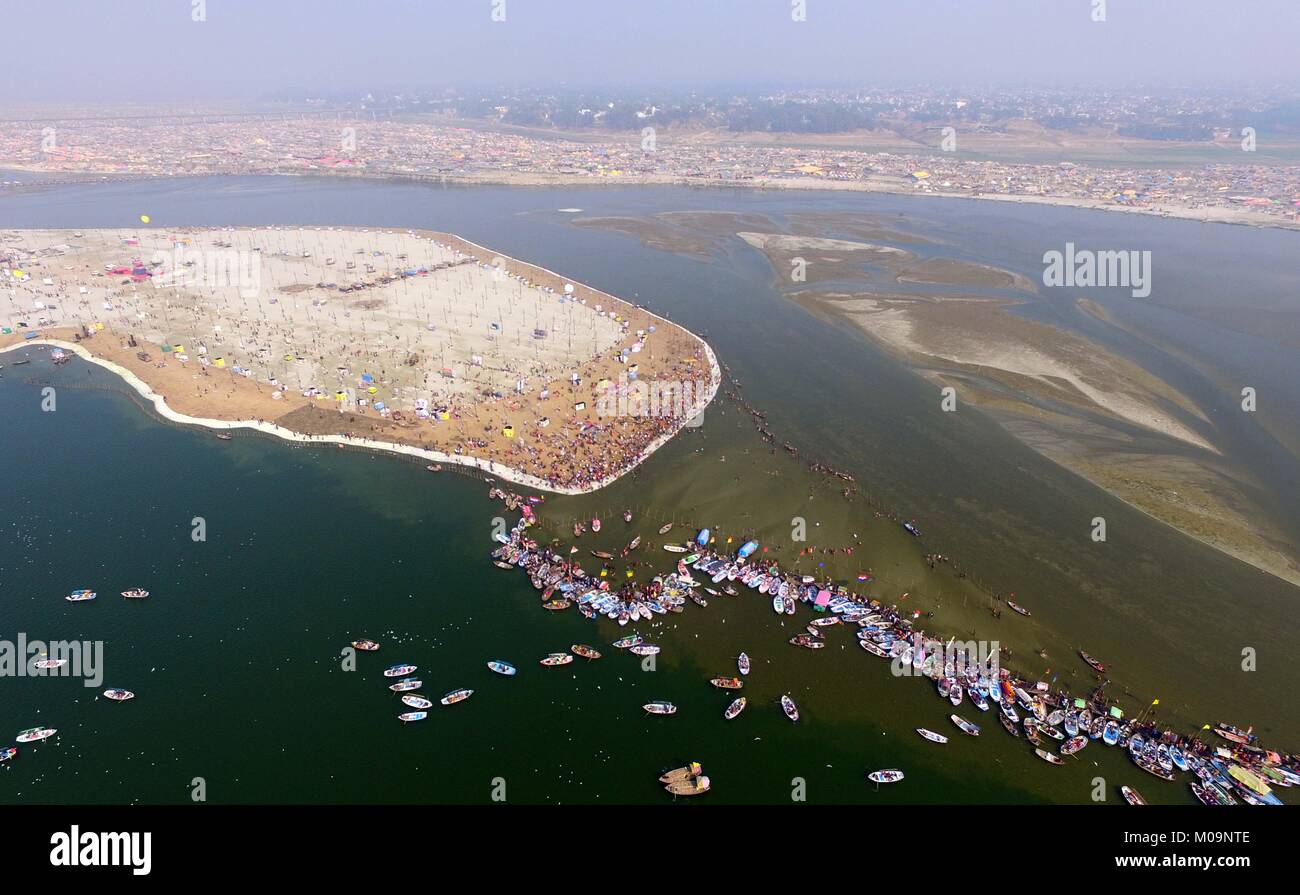
At the heart of the mela lies the Triveni Sangam. It is the physical confluence of the muddy waters of the Ganga and the blue waters of the Yamuna. However, faith dictates the presence of a third, invisible river—the Saraswati. Mythology states that a dip here during the month of Magh grants merit equivalent to performing thousands of Ashwamedha Yagnas.
Celestial Alignment
The timing is dictated by the cosmos. As the Sun enters Capricorn (Makar Rashi) during Makar Sankranti, the universe aligns to amplify spiritual vibrations. This transition marks the end of winter and the 'awakening' of the gods, turning the river water into a potent medium for purification.
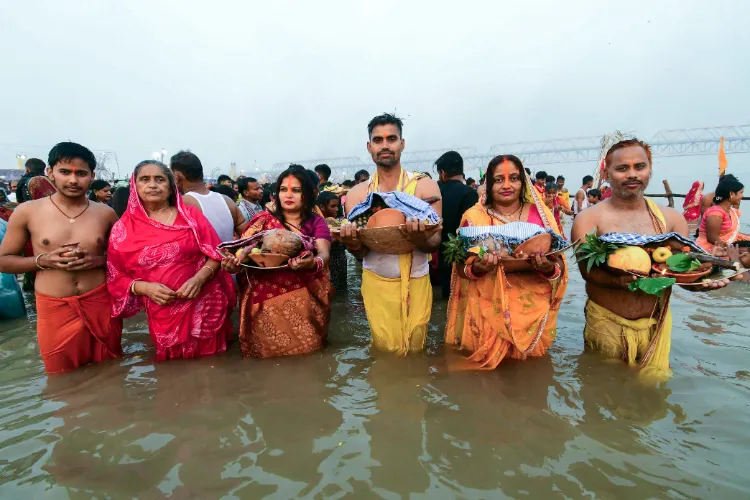
The Power of 'Prayashchit' (Atonement)"Prayashchit" is the central theme of the Magh Mela. It is the spiritual act of acknowledging past errors and seeking liberation. During this specific 44-day period, the waters of the Sangam are believed to turn into Amrit (nectar). A holy dip (Snan) during this time is not just about physical cleanliness, but a profound ritual to wash away sins and free the soul from the cycle of rebirth.
For the millions who engage in Kalpavas (living austerely by the river), this period represents a total detachment from worldly materialism and a reconnection with the divine.

Magh Mela 2026 Bathing Dates (Snan Calendar)
The heartbeat of the Magh Mela is the ritualistic bath at the Triveni Sangam. While taking a dip in the holy waters is considered meritorious on any day during the 44-day festival, there are specific dates dictated by the lunar calendar that hold immense celestial power. These "Shahi Snan" (Royal Bath) or main bathing dates are when the alignment of the stars is believed to amplify the spiritual benefits of the pilgrimage, washing away sins and paving the path to salvation.

For pilgrims planning their journey to Prayagraj, aligning your visit with these dates is crucial. Below is the complete schedule for the major bathing days during Magh Mela 2026.
Paush Purnima
The beginning of the Magh Mela. This full moon marks the start of 'Kalpavas', where devotees begin their month-long austere living on the river banks.
Makar Sankranti
A major bathing day marking the sun's entry into Capricorn (Makar Rashi). It signifies the end of winter and the harvest season.
Mauni Amavasya
The most significant day of the fair. Millions gather for the 'Royal Bath' on this new moon, observing silence (Maun) to attain spiritual elevation.
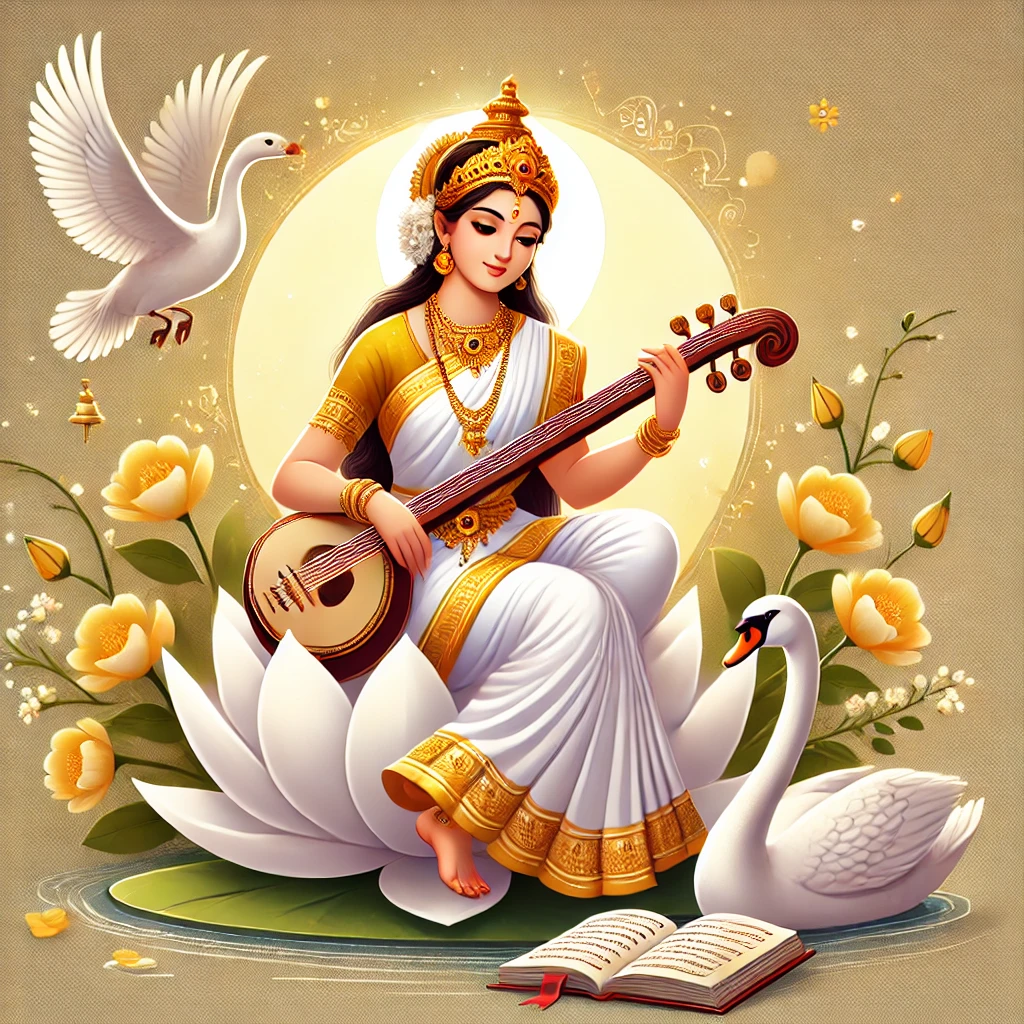
Basant Panchami
Dedicated to Goddess Saraswati, this day marks the arrival of spring. Pilgrims dress in yellow and bathe to honor the goddess of wisdom.
Maghi Purnima
The concluding day for Kalpavas. It is believed that the Hindu deities descend to earth on this day to bathe in the Sangam.
Maha Shivratri
The final bathing date of the Magh Mela. Devotees worship Lord Shiva, marking the official conclusion of the 44-day spiritual gathering.

Planning Tip: If you wish to witness the grandeur of the Mela without the extreme crowds of Mauni Amavasya, consider visiting during Paush Purnima or Maghi Purnima. However, ensure you book accommodations well in advance, as tents and hotels near the Sangam fill up months prior to these dates.
The Life of a Kalpavasi: Discipline and Devotion
At the spiritual core of the Magh Mela lies the ancient tradition of Kalpavas. Regarded as one of the toughest spiritual vows in Hinduism, Kalpavas is not merely about camping by the river; it is a month-long resolution (Sankalp) to live in seclusion and piety. From Paush Purnima to Magh Purnima, devotees detach themselves from worldly comforts to undergo a spiritual rebirth, believing that this austerity liberates them from the cycle of birth and death.

The daily routine of a Kalpavasi is a test of endurance and faith. In the biting cold of January, they rise during the Brahma Muhurta (pre-dawn) for a holy dip in the Sangam. The lifestyle is stripped to the bare essentials: sleeping on the sandy ground (Bhoomi Shayan) and dedicating the entire day to meditation, Satsang, and the mesmerizing evening Ganga Aarti.
📜 The 5 Golden Rules of Kalpavas
To successfully complete the vow, a Kalpavasi must strictly adhere to the following code of conduct:
- 🍲 Mitahara (Satvik Diet): Consuming only one meal a day, strictly prepared without onion or garlic.
- 🧘 Brahmacharya (Celibacy): Maintaining complete control over physical senses and desires.
- 🛌 Bhoomi Shayan: Renouncing beds to sleep on the ground, symbolizing humility.
- 🕊️ Ahimsa & Satya: Practicing non-violence in thought and action, and speaking only the truth.
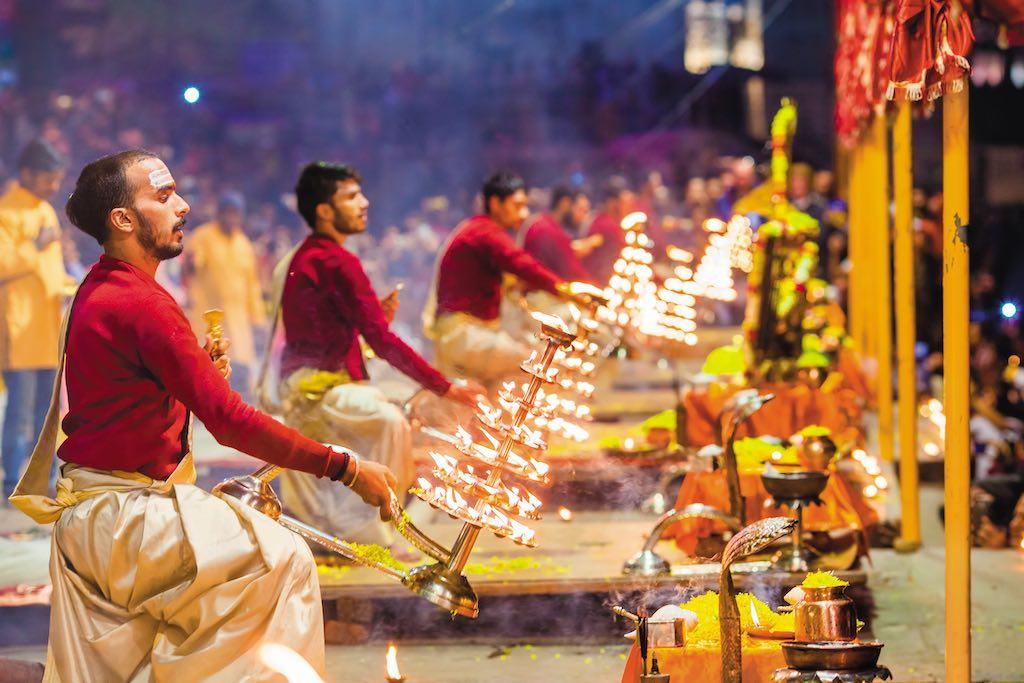
This period of Prayashchit (atonement) transforms the banks of the Ganga into a temporary city of sages, where the only focus is the connection between the soul and the divine.
Plan Your Pilgrimage to Prayagraj
Need assistance with accommodation, guided Snan rituals, or local transport during Magh Mela? Let us handle the logistics while you focus on devotion.
Book Your Magh Mela PackageTravel Guide: Logistics & Accommodation
Planning your pilgrimage to the Magh Mela 2026 requires careful logistical preparation, as millions converge on the banks of the Triveni Sangam. Prayagraj is well-connected, making the journey accessible for pilgrims from across the globe.

Reaching the Holy City:
- By Air: The Prayagraj Airport (IXD) in Bamrauli offers direct flights to major hubs like Delhi, Mumbai, and Bengaluru.
- By Train: This is the most popular mode of travel. Prayagraj Junction is a major railway hub. During the Mela, Indian Railways typically announces special trains to accommodate the massive influx of devotees.
Staying at the Sangam: From Luxury to Austerity
Accommodation during the Magh Mela caters to a wide spectrum of devotees. For those seeking comfort, the state government sets up a temporary "Tent City" featuring luxury Swiss cottages equipped with attached bathrooms, heating, and Wi-Fi. On the other end of the spectrum, those wishing to experience the true life of a Kalpavasi can opt for budget-friendly ashrams or communal tents run by spiritual organizations, which offer a grounded, austere living experience right on the sands.

Weather Warning: Do not underestimate the North Indian winter. The open riverbanks are significantly colder than the city center, with foggy mornings and biting winds, particularly during the early morning Snan hours.
🎒 Magh Mela Traveler Checklist
Ensure you pack the following essentials to make your spiritual journey comfortable:
- ❄️ Heavy Woolens: Thermal wear, heavy jackets, and woolen caps are mandatory for pre-dawn baths.
- 👟 Walking Gear: Comfortable, slip-resistant shoes are vital as vehicles are restricted near the Sangam.
- 🔋 Power Bank: Charging stations in the tent city can be crowded; bring a high-capacity backup.
- 💊 First Aid Kit: Basic medicines for cold, cough, and digestion are essential.
Frequently Asked Questions
Q: What is the most auspicious day for bathing in Magh Mela 2026?
A: While all days are sacred, Mauni Amavasya (January 29, 2026) is considered the most significant day for the Royal Bath (Shahi Snan).
Q: Is it safe for elderly people to visit Magh Mela?
A: Yes, the administration makes extensive arrangements including wheelchair access and medical camps. However, due to large crowds, it is advisable to have a guide or family member accompany seniors.
Q: Do I need to book accommodation in advance?
A: Yes, absolutely. Millions visit during this time. It is highly recommended to book tents or hotels at least 2-3 months in advance, especially for the main bathing dates.
Q: What is the difference between Magh Mela and Kumbh Mela?
A: Magh Mela happens every year, whereas the Kumbh Mela occurs every 12 years and the Ardh Kumbh every 6 years. Magh Mela is often called the 'Mini Kumbh'.
.png?alt=media&token=ffa9a3f4-fde8-4da6-8d63-b5fe32c2a485)
.webp?alt=media&token=a5a345f8-69ef-45c0-b331-557279e98aa9
)